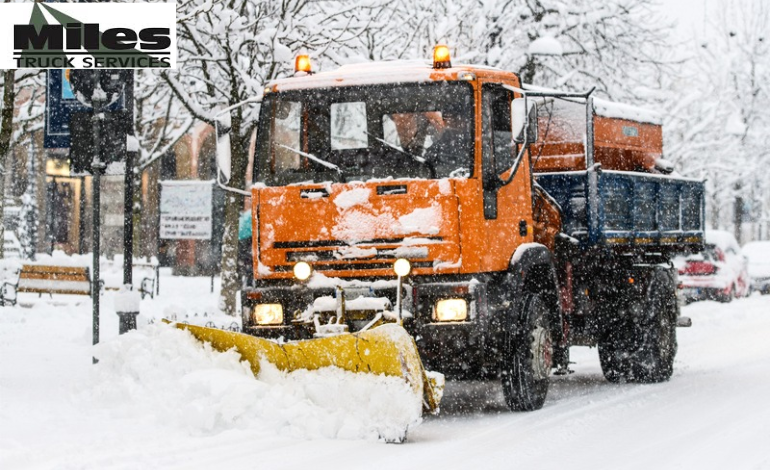
Indiana winters can create serious challenges for commercial fleets. Freezing temperatures, snow, ice, road salt, and unpredictable weather can quickly turn a small maintenance issue into a major operational problem.
For fleets traveling through busy transportation areas like Indianapolis, Fort Wayne, South Bend, Lafayette, and major routes including I-65, I-69, and I-70, winter reliability is critical. A truck that fails during a winter storm does not only create a repair bill. It can delay deliveries, impact customer relationships, and put drivers in unsafe situations.
That is why winter truck maintenance in Indiana should begin before the first major snowfall. Preventive inspections help fleet managers identify problems early, reduce downtime, and keep commercial vehicles operating safely throughout the coldest months.
At Miles Truck Services, winter preparation focuses on protecting the systems that are most affected by cold weather, including batteries, diesel fuel systems, tires, brakes, cooling systems, and electrical components.
Why Winter Truck Maintenance Matters for Indiana Fleets
Commercial trucks operate under demanding conditions all year, but winter creates additional stress on critical components.
Cold temperatures can affect:
- Engine starting performance
- Battery power output
- Diesel fuel flow
- Tire pressure
- Brake performance
- Electrical connections
- Vehicle visibility
Indiana fleets also deal with road salt and moisture that can accelerate corrosion on truck components.
A maintenance issue that may seem minor in warmer months can become a serious failure when temperatures drop below freezing.
For fleet managers, preventive winter maintenance provides several benefits:
- Fewer roadside breakdowns
- Better driver safety
- Reduced emergency repair costs
- Improved vehicle uptime
- More predictable fleet operations
Indiana Winter Conditions That Impact Commercial Trucks
Freezing Temperatures and Diesel Engine Performance
Cold weather changes how diesel trucks operate.
When temperatures drop, engine oil becomes thicker and batteries lose available power. This makes starting the engine more difficult and increases stress on electrical systems.
Common cold-weather issues include:
- Weak batteries
- Slow engine cranking
- Hard starts
- Reduced fuel efficiency
- Increased engine wear
A truck that struggles during mild cold conditions may not start at all during a severe Indiana freeze.
Fleet inspections should include battery testing, charging system checks, and engine performance evaluations before winter conditions arrive.
Snow, Ice, and Reduced Road Traction
Commercial trucks require longer stopping distances than passenger vehicles. Snow and ice make traction even more challenging.
Routes around Indianapolis, northern Indiana freight corridors, and rural delivery areas can experience rapidly changing road conditions.
Proper winter preparation includes checking:
- Tire condition
- Brake performance
- Steering components
- Traction systems
A properly maintained truck gives drivers better control when roads become slippery.
Road Salt and Corrosion Problems
Salt helps improve winter road safety, but it can damage truck components over time.
Areas commonly affected include:
- Brake hardware
- Electrical connections
- Suspension components
- Undercarriage parts
- Fasteners and fittings
Regular inspections help detect corrosion before it creates expensive repairs.
Complete Winter Truck Maintenance Checklist for Indiana Fleets
| Maintenance Area | Inspection Focus | Why It Matters |
| Battery | Voltage, terminals, charging system | Prevent cold-weather starting failures |
| Tires | Pressure, tread, damage | Improve traction and safety |
| Brakes | Pads, air systems, ABS | Maintain stopping performance |
| Cooling System | Coolant level and protection | Prevent freezing damage |
| Fuel System | Filters and fuel condition | Avoid winter fuel problems |
| Electrical System | Lights and connections | Improve reliability and visibility |
Battery Inspection: The First Winter Priority
Battery problems are one of the most common causes of winter truck failures.
Cold temperatures reduce battery capacity, meaning a battery that works during warmer months may not provide enough power during freezing conditions.
Before winter, technicians should inspect:
- Battery age
- Terminal corrosion
- Cable connections
- Voltage output
- Charging system performance
A proactive battery test is much easier to schedule than an emergency repair during a snowstorm.
Diesel Fuel System Protection
Diesel fuel systems require special attention during winter.
Cold temperatures can create fuel-related issues, especially when filters are restricted or moisture is present in the system.
Important winter fuel checks include:
- Inspecting fuel filters
- Checking water separators
- Maintaining clean fuel systems
- Following manufacturer recommendations
A fuel system problem can quickly remove a commercial truck from service.
Tire Maintenance for Winter Truck Safety
Tires are one of the most important safety components on any fleet vehicle.
Cold weather naturally lowers tire pressure. Underinflated tires can increase wear, reduce fuel economy, and negatively affect handling.
Fleet managers should inspect:
- Tire pressure
- Tread depth
- Sidewall damage
- Uneven wear
- Dual tire condition
For trucks operating throughout Indiana, properly maintained tires are essential for handling snow, ice, and wet road conditions.
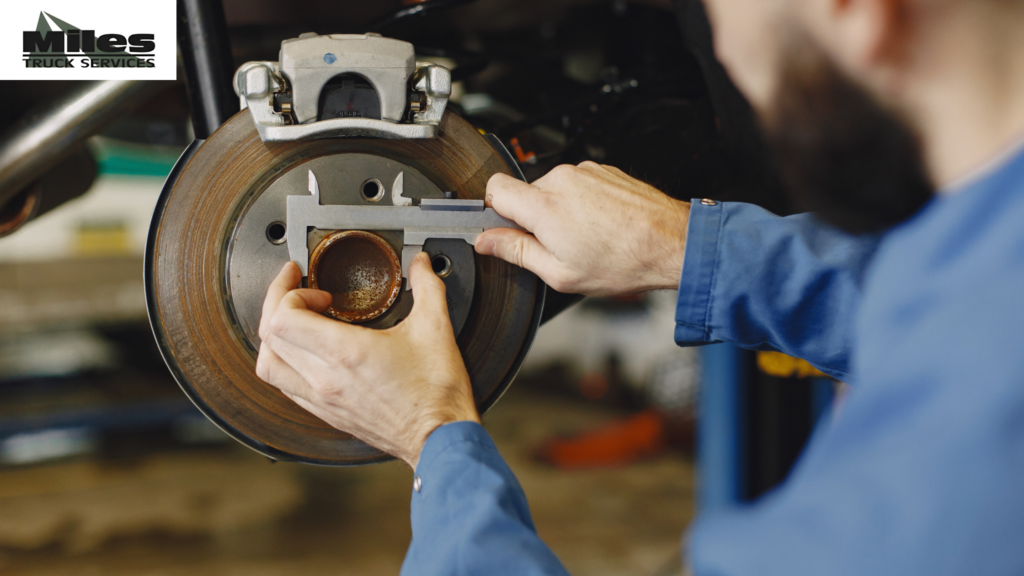
Brake System Inspection Before Winter
Winter roads require dependable braking performance.
Commercial truck brake inspections should include:
- Brake pads
- Air brake systems
- Brake chambers
- Air lines
- ABS operation
Moisture inside air systems can freeze and create braking problems.
A complete brake inspection helps drivers maintain control when stopping conditions become difficult.
Cooling System and Antifreeze Checks
The cooling system protects the engine from extreme temperatures.
Before winter arrives, inspect:
- Coolant levels
- Antifreeze protection
- Hoses
- Radiator condition
- Leaks
Insufficient coolant protection can result in freezing damage and expensive engine repairs.
Electrical and Lighting System Maintenance
Winter driving often means reduced visibility and longer hours of operation in darkness.
Inspect:
- Headlights
- Brake lights
- Turn signals
- Marker lights
- Wiring connections
Reliable lighting improves safety for drivers and other vehicles sharing Indiana roads.
How Fleet Managers Can Reduce Winter Truck Downtime
Winter downtime is expensive. A truck sitting on the roadside affects drivers, schedules, and customers.
Fleet managers can reduce winter problems by:
- Scheduling inspections before severe weather
- Tracking recurring maintenance issues
- Training drivers to report warning signs
- Keeping service records updated
- Addressing small repairs early
A preventive maintenance approach gives fleets more control during unpredictable weather.
Winter Maintenance Timeline for Indiana Fleets
30–60 Days Before Winter
Complete:
- Full truck inspections
- Battery testing
- Tire evaluations
- Brake checks
- Cooling system inspections
Before the First Major Freeze
Review:
- Fuel system condition
- Emergency equipment
- Driver inspection procedures
- Fluid levels
Throughout Winter
Continue:
- Regular inspections
- Tire pressure monitoring
- Cleaning salt buildup
- Reporting unusual performance issues
What Indiana Fleet Technicians Commonly Find During Winter Inspections
Winter inspections often reveal problems that drivers may not notice immediately.
Common findings include:
- Battery connections weakened by corrosion
- Tires operating below recommended pressure
- Aging wiper blades
- Moisture-related air system concerns
- Low coolant protection levels
- Electrical connection issues
Finding these problems before extreme weather arrives helps prevent unexpected downtime.
Why Choose Miles Truck Services for Winter Fleet Maintenance in Indiana
Keeping trucks ready for winter requires more than a quick visual inspection. Commercial vehicles need attention from technicians who understand heavy-duty systems and fleet demands.
Miles Truck Services helps Indiana fleets prepare for winter conditions by focusing on reliability, safety, and reducing downtime.
Whether trucks are supporting local businesses, regional deliveries, or daily freight operations, proper maintenance helps keep vehicles dependable when conditions become challenging.
Frequently Asked Questions About Winter Truck Maintenance Indiana
What is the most important winter maintenance check for trucks in Indiana?
The most important winter checks include battery condition, tire safety, brake performance, coolant protection, and diesel fuel system reliability. These systems are most affected by freezing temperatures.
When should Indiana fleets prepare trucks for winter?
Fleet preparation should begin before freezing temperatures arrive, usually during early fall. This allows enough time to complete repairs before severe weather affects operations.
How can fleets prevent winter truck breakdowns?
Fleets can reduce breakdown risks by following a preventive maintenance schedule, inspecting critical systems, training drivers, and addressing issues before they become failures.
Do diesel trucks need special winter maintenance?
Yes. Diesel trucks require attention to fuel systems, batteries, fluids, and cold-weather operating conditions to maintain reliability.
Why does tire pressure matter more in winter?
Cold temperatures naturally reduce tire pressure. Proper inflation improves traction, handling, fuel efficiency, and tire life.
Final Winter Truck Maintenance Checklist
Before Indiana winter weather arrives, fleets should confirm:
✓ Batteries have been tested
✓ Tires have proper pressure and tread
✓ Brakes have been inspected
✓ Coolant provides winter protection
✓ Fuel systems are prepared
✓ Lights and electrical components work properly
✓ Drivers understand winter inspection procedures
Winter conditions are unavoidable, but unexpected downtime does not have to be.
With proper winter truck maintenance in Indiana, fleets can improve safety, protect equipment, and keep operations moving even when temperatures drop and roads become challenging.