
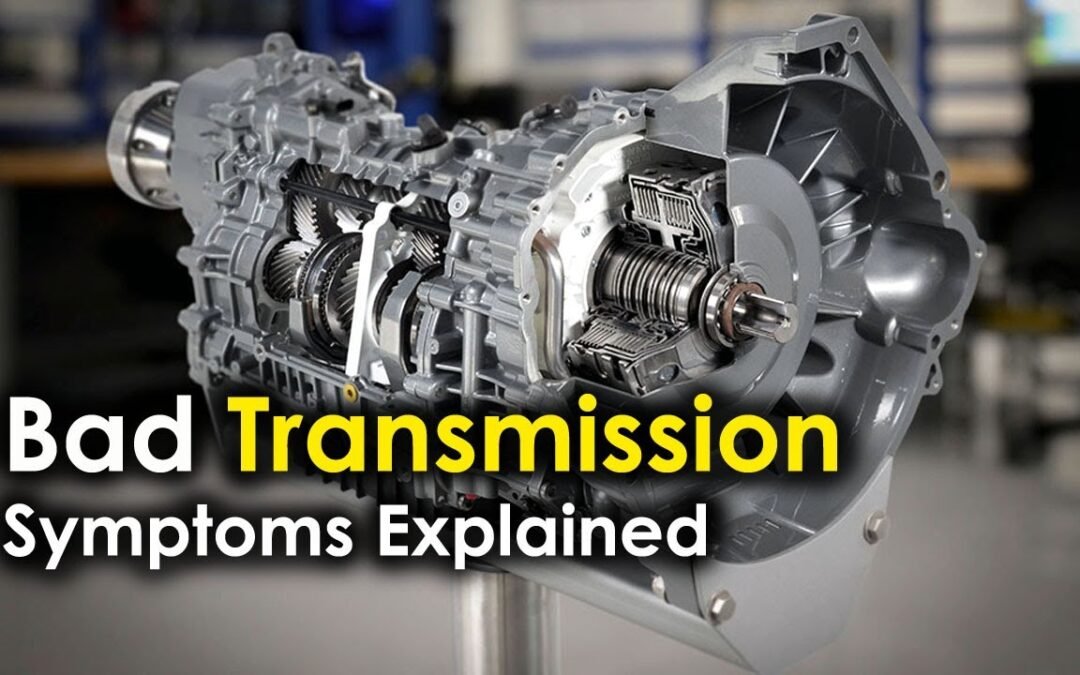
You run hard miles across Indiana. Whether you haul freight down I-65 past the Lebanon rest areas, push east on I-70 toward the rough patches near Indianapolis, or work the logistics corridors around the airport, your semi takes a beating. Transmission trouble shows up first in small ways. Catch it early and you avoid a tow, lost loads, and repair bills that climb fast.
This guide covers the real signs heavy-duty trucks give in Indiana conditions. It draws from what drivers and techs see on local rigs every day.
Why Indiana Hauls Hammer Transmissions
Heavy loads, constant shifting in metro traffic, and long stretches at highway speeds all add stress. Indiana winters make it worse. Cold mornings thicken the fluid. You feel it on that first pull away from a stop near Plainfield or up toward Fort Wayne. Summer heat builds up on grades or in stop-and-go around the city.
Road conditions play a role too. Truckers often flag I-70 east of Indy for bumps and bridges that jar components. Add high freight volume and you get accelerated wear on clutches, valves, and electronics. Many modern heavy-duty automatics feel it through shift flares, hard bangs, or limp mode when sensors or fluid pressure drop.
Ignore the early hints and a small issue turns into a full rebuild or worse. Most drivers notice something off weeks or months before total failure.
8 Early Warning Signs You Should Never Ignore
Watch for these on your next run. They show up in daily driving, not just on the dyno.
- Gear slipping or sudden power loss: The engine revs but the truck does not pull like it should. You feel it most when climbing a grade or accelerating from a light. Low fluid, worn clutches, or torque converter problems usually cause it. In cold weather the fluid may not build pressure fast enough at first.
- Harsh or delayed shifts: The truck bangs into gear or hesitates before it moves. Many heavy-duty automatics flare RPMs between shifts or slam hard when coming to a stop. Dirty fluid, solenoid issues, or control module problems sit behind most cases. Indiana stop-and-go traffic around Indy makes this show up sooner.
- Strange noises: Whining from the front of the transmission, grinding during shifts, or clunking under load all point to trouble. Low fluid starves bearings and gears. Worn clutch packs or valve body wear create the sounds you hear on the highway.
- Fluid leaks under the truck: Red or brownish spots on the ground after you park mean seals, lines, or the pan are leaking. Check the level often. Even small leaks drop pressure and overheat the unit fast on long I-65 runs.
- Burning smell or high transmission temperature: You catch a burnt odor after a hard pull or the temp gauge climbs past normal. Fluid breaks down above roughly 220 to 230°F. Towing heavy or idling in summer traffic pushes it there quickly.
- Dashboard lights or codes: Check engine light, transmission warning, or reduced power mode appear. Scan for codes. These often tie to speed sensors, solenoids, or pressure problems in heavy-duty transmissions.
- Delayed engagement: You shift into Drive or Reverse and nothing happens for a second or two. Then the truck lurches forward. Worn pumps, dirty fluid, or internal valve body wear usually cause the lag. It feels dangerous when you are loaded and sitting at an intersection.
- Limp mode or stuck in one gear: The transmission locks into a lower gear and will not upshift. The control module does this to protect itself. Faulty sensors, low pressure, or major internal wear trigger it. Do not keep driving far in this state.
Quick Reference Table: Signs and What They Usually Mean
| Sign | What You Notice | Common Cause in Heavy-Duty Trucks | How Urgent? |
|---|---|---|---|
| Slipping / power loss | Revs up, truck slows | Low fluid, worn clutches, torque converter | High. Stop soon |
| Harsh / delayed shifts | Bang or hesitation | Fluid condition, solenoids, control module | Medium to high |
| Noises | Whine, grind, clunk | Low fluid, worn gears or bearings | Medium |
| Fluid leaks | Spots under truck | Seals, cooler lines, pan gasket | High. Check level |
| Burning smell / hot | Odor or high temp gauge | Overheating from load or poor cooling | High |
| Warning lights / codes | CEL or trans light | Sensors, pressure faults | High. Scan soon |
| Delayed engagement | Pause before truck moves | Fluid, pump, or valve body | High |
| Limp mode | Stuck in low gear | Control module protection, major fault | Very high. Tow |
Quick Checks You Can Do on the Road or at a Truck Stop
Park safely. Let the engine run in Park or Neutral until the fluid warms. Pull the dipstick following the procedure in your truck’s manual (engine often running, in Park). Fluid should sit in the crosshatched area and look clean red or pink. Dark brown or burnt smell means change it now.
Look under the truck for fresh drips. Listen during a short test pull. Note any new codes with a basic scanner if you carry one. Many Indiana mobile techs can read heavy-duty systems on site.
If anything feels off and you are loaded, do not push it. Call for roadside help. A short tow beats a stranded rig on the shoulder of I-70.
How Smart Indiana Drivers Protect Their Transmissions
Change fluid and filters on schedule. Severe duty in Indiana often means every 50,000 to 60,000 miles or sooner if you tow heavy or idle a lot. Use the fluid your transmission manufacturer approves for your model. Synthetic blends hold up better in our temperature swings.
Warm the truck a few extra minutes on cold mornings near Plainfield or north of Indy. Let the fluid thin before you load it hard. Add an auxiliary cooler if you run constant heavy loads or summer construction zones.
Avoid overloading. Stay within your truck’s ratings. Rough roads on parts of I-70 punish everything, including the driveline.
Keep records. Note any odd shift or smell right away. Shops that work central Indiana fleets see patterns fast when you bring good history.
When You Need Semi Truck Transmission Repair in Indiana
A basic fluid service or sensor fix might cost a few hundred dollars. Component work or a rebuild usually runs several thousand. Full reman or new units push higher, sometimes into the ten-thousand range depending on the truck and shop. Labor and parts vary. Always get a clear diagnosis first.
Many local shops offer mobile service. They come to you at a truck stop or yard so you lose less time. Look for techs who know heavy-duty electronic transmissions and the common issues rigs show after running I-65 and I-70 corridors. Ask about warranties on rebuilds. One to three years is common on quality work.
Choose experience over the cheapest quote. A shop familiar with vocational trucks and the freight that moves through Indianapolis handles these jobs every week. They know what fails first in our conditions.
Common Questions Indiana Truckers Ask
How long can I drive with slipping or harsh shifts?
Not long. It gets worse fast and can leave you stranded. Get it checked the same day if possible.
Is a rebuild better than a new transmission?
Often yes for cost and turnaround. A good rebuild with updated parts gives strong life when done right. Your tech will tell you based on the damage.
What fluid should I use in my heavy-duty transmission?
Stick to the fluid your transmission manufacturer approves for your model and duty cycle. It handles heat and cold better than generic fluid.
Do mobile techs handle full transmission work in Indiana?
Many do diagnostics, fluid services, and some repairs on site. Major rebuilds usually go to a shop with the right tools and lift space.
https://shorturl.fm/OajuF
https://shorturl.fm/4a8gc
https://shorturl.fm/Abnhp
https://shorturl.fm/xjZFS
https://shorturl.fm/MAT1E
https://shorturl.fm/qWQk0
https://shorturl.fm/MsfmH
https://shorturl.fm/CXz4h
https://shorturl.fm/147eN
https://shorturl.fm/TiQpn
https://shorturl.fm/qMN3O
https://shorturl.fm/dMFY4
https://shorturl.fm/k1pU1
https://shorturl.fm/0CuQZ
https://shorturl.fm/nsPRz
https://shorturl.fm/4fCkT
https://shorturl.fm/HDEfi
https://shorturl.fm/3OZKL
https://shorturl.fm/qe8cX
https://shorturl.fm/mQDHi
https://shorturl.fm/DRTpK
https://shorturl.fm/QP5Pl
https://shorturl.fm/ujqj8
https://shorturl.fm/iwCi1
https://shorturl.fm/va263
https://shorturl.fm/LyJCd
https://shorturl.fm/xsDf9
https://shorturl.fm/6ZSKo
https://shorturl.fm/K1qCo
https://shorturl.fm/rNeyo
https://shorturl.fm/ki1jV
https://shorturl.fm/PKITS
https://shorturl.fm/XWVfN
https://shorturl.fm/a8FhZ
https://shorturl.fm/IsAlx
https://shorturl.fm/CSWxF
https://shorturl.fm/c8cnl
https://shorturl.fm/rStwe
https://shorturl.fm/Gf8mC
https://shorturl.fm/0xyxX
https://shorturl.fm/FIQbv
https://shorturl.fm/Kl7e3
https://shorturl.fm/OHeK0
https://shorturl.fm/j6zQX
https://shorturl.fm/8HSzK
https://shorturl.fm/vyLah
https://shorturl.fm/ClSVU
https://shorturl.fm/IpSDC
https://shorturl.fm/yBClF
https://shorturl.fm/bzQgm
https://shorturl.fm/5yC8y
https://shorturl.fm/MPSDF
https://shorturl.fm/ejp4F
https://shorturl.fm/jEhx5
https://shorturl.fm/tHAO2
https://shorturl.fm/hUB6y
https://shorturl.fm/lAtxD
https://shorturl.fm/2mDhl
https://shorturl.fm/V7huV
https://shorturl.fm/vIkVG
https://shorturl.fm/vIkVG
https://shorturl.fm/srXhr
https://shorturl.fm/fdjgk
https://shorturl.fm/fdjgk
https://shorturl.fm/rR5KI
https://shorturl.fm/c94qA
https://shorturl.fm/0ORgz
https://shorturl.fm/fK7cN
https://shorturl.fm/GsOTS
https://shorturl.fm/OfN1g
https://shorturl.fm/H2kkO
https://shorturl.fm/kOnWT
https://shorturl.fm/oxxC6
https://shorturl.fm/PKEzf
https://shorturl.fm/GtcmD
https://shorturl.fm/j0IHE
https://shorturl.fm/Frtsn
https://shorturl.fm/NdmGH
https://shorturl.fm/dmqmP
https://shorturl.fm/rHnil
https://shorturl.fm/9szpL
https://shorturl.fm/VHs6z
https://shorturl.fm/9t2Kd
https://shorturl.fm/7z9xW
https://shorturl.fm/30kqa
https://shorturl.fm/uHzMW
https://shorturl.fm/ztoKQ
https://shorturl.fm/tyHh2
https://shorturl.fm/JRUny
https://shorturl.fm/h6Wqm
https://shorturl.fm/bqMqh
https://shorturl.fm/KGFEN
https://shorturl.fm/kArE3
https://shorturl.fm/HS3Bc
https://shorturl.fm/aKy0a
https://shorturl.fm/1g5zE
https://shorturl.fm/mFDxT
https://shorturl.fm/8fgnX
https://shorturl.fm/0HjYF
https://shorturl.fm/oaMFV
https://shorturl.fm/wJIpx